Modular Office Walls: Understanding Wall Substrates and Panel Facing Options
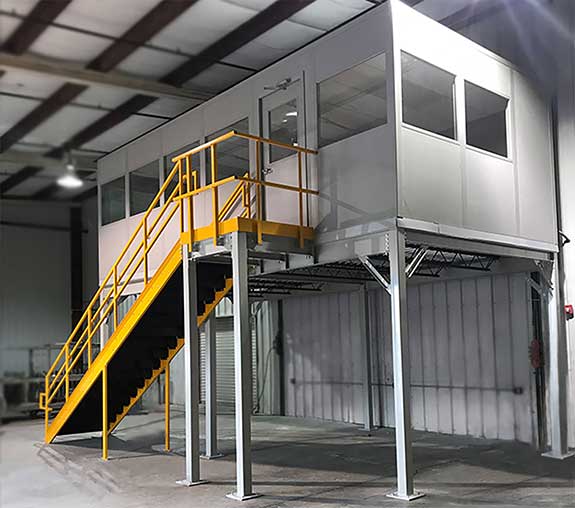
Modular office systems offer speed, flexibility, and clean installation—but the real performance of any modular structure begins inside the wall. The wall substrate, core, and facing material all play a critical role in durability, fire resistance, aesthetics, and long-term usability. For companies investing in modular office walls, choosing the right modular panel board and surface finish ensures your workspace performs exactly as needed, whether in a warehouse, controlled environment, or commercial modular office setting.
This guide breaks down the most common substrate wall materials and facing options used in Panel Built’s modular systems, helping you make an informed, cost-effective selection.
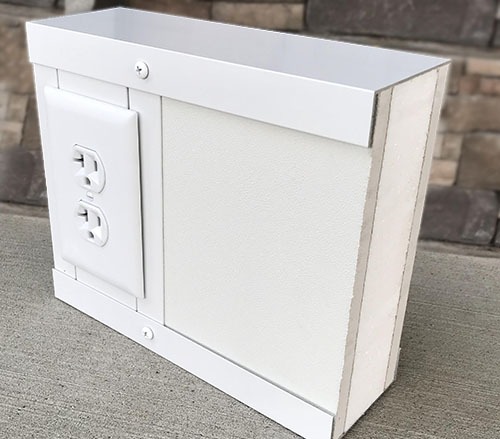
How Modular Office Wall Panels Are Built
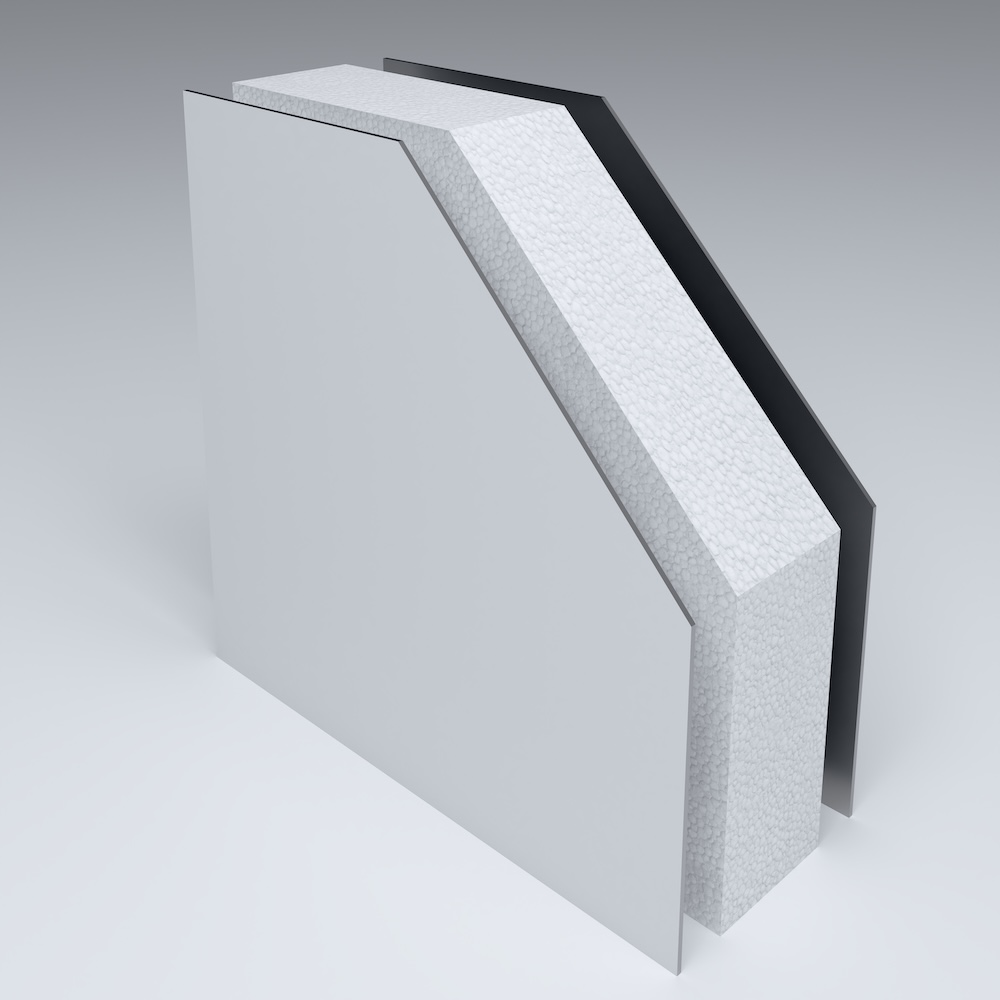
A Panel Built modular wall panel typically includes three major components:
- Core – Provides insulation, fire performance, and sound dampening
- Substrate – The structural layer that supports the facing
- Facing (Skin) – The finished surface visible inside your modular office
Together, these layers create a lightweight but strong wall structure suitable for industrial, commercial, and specialty environments
Understanding Substrates in Modular Office Walls
A wall substrate is the layer between the surface finish and the core. It determines how strong the panel is, how well it absorbs sound, and how resistant it is to fire or impact.
Gypsum Substrate (Most Common)
Gypsum is the standard substrate across Panel Built’s modular systems—and for good reason.
Benefits:
- Cost-effective
- Fire-resistant
- Good sound performance
- Lightweight and versatile
- Smooth surface for vinyl or smooth skins
Gypsum substrates pair well with polystyrene or poly-ISO cores, creating a dependable, economical panel ideal for most office walls modular environments.
Wood-Based Substrates
For applications requiring additional rigidity or strength, wood panel substrates can be used.
Best For:
- Heavy-duty industrial settings
- Applications where accessories or shelving will be mounted
- Panels needing enhanced structural performance
Panel Built also offers sound-stop board, a substrate designed to increase STC ratings for noise control.
Core Options Overview
While not technically part of the “substrate,” the core dramatically influences performance:
- Polystyrene: Most common, lightweight, strong insulation performance
- Poly-ISO: Higher density for better fire resistance
- Mineral Wool: Used in one-hour fire-rated and non-combustible panels
These core options provide flexibility across industrial, commercial, and specialty project requirements.
Modular Office Wall Facing (Skin) Options
The facing material determines the look, cleanability, and long-term durability of your modular office wall. Below are Panel Built’s most popular surfacing styles for substrate wall systems.
1. Standard Vinyl Skin
Panel Built’s most widely used modular wall facing.
Why Choose Vinyl Facing?
- Cost-effective
- Clean, professional appearance
- Resistant to dents and wear
- Easy to clean and repair
- Available in white, champagne, and gray
Best Uses:
- Office build-outs
- Warehousing environments
- Light manufacturing
- Administrative modular office walls
Vinyl-faced modular panels balance durability with affordability, making them ideal for large interior office projects.

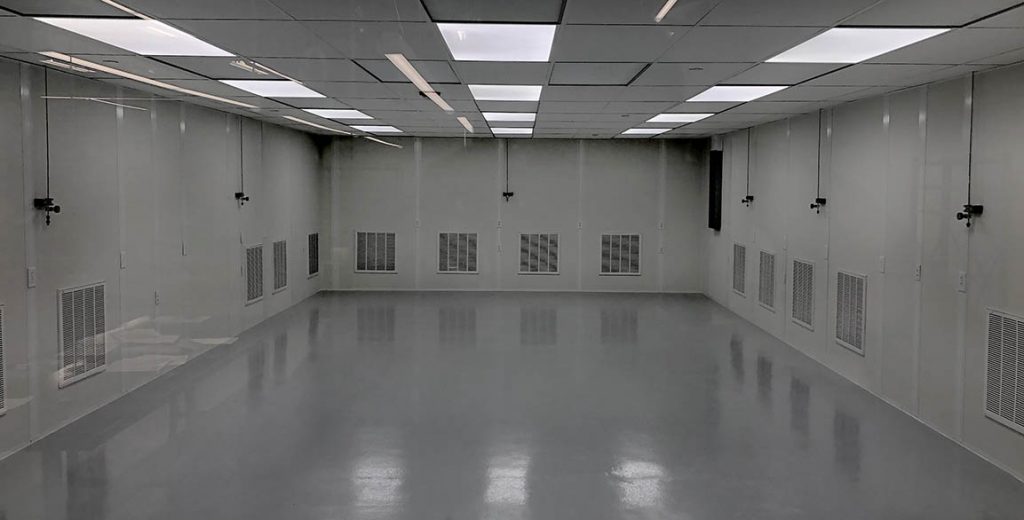
2. Fiberglass Reinforced Plastic (FRP)
FRP is a high-performance facing ideal for environments with moisture, chemicals, or sanitation requirements.
Key Features:
- Non-porous surface
- Excellent chemical resistance
- Easy to sanitize
- Budget-friendly for specialty applications
- Impact-resistant .08" skins
Best Uses:
- Modular cleanrooms
- Modular restrooms
- Food production spaces
- Medical environments
- Washdown areas
FRP is one of the top choices for modular walls requiring hygienic, moisture-resistant conditions.
Smooth-Finished Modular Wall Options
For architectural or commercial environments, smooth skins are increasingly popular.
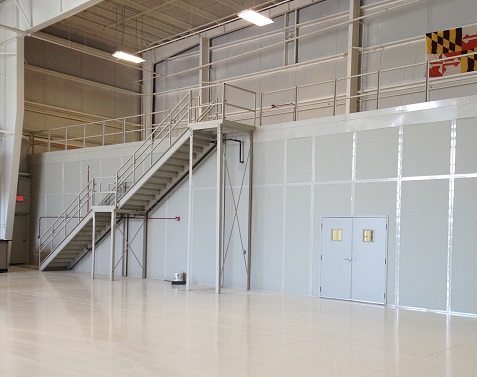
Smooth Steel Panels
Smooth steel creates a sleek, modern aesthetic, especially in high-visibility modular office complexes.
Common Uses:
- Two-story office systems
- Executive modular suites
- Modern manufacturing offices
Black smooth steel, paired with aluminum extrusions, can create a contemporary, high-end appearance inside industrial facilities.
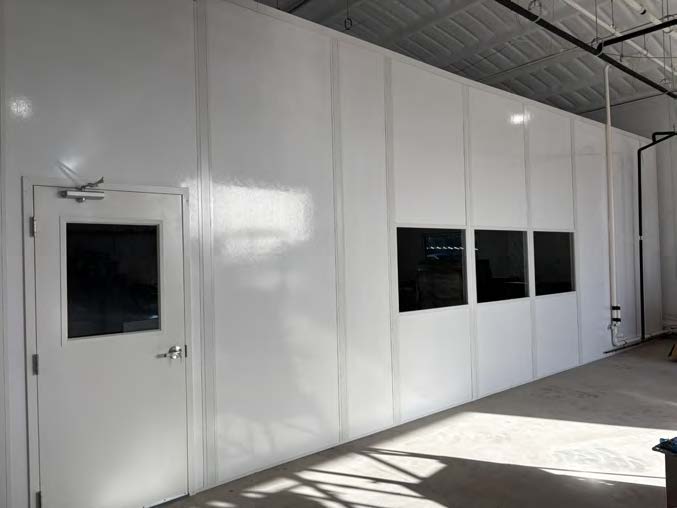
Smooth Vinyl Over Gypsum
A lighter, more economical alternative to smooth steel.
Advantages:
- A glossy, professional finish similar to cleanroom paneling
- Moisture-resistant
- Low particulate emissions
- Great for cleanrooms or humid environments
Custom Modular Wall Panel Options
Don’t see the wall system you’re looking for? Panel Built can customize:
- Specialty laminates
- High-performance coatings
- Architectural finishes
- Brand-matching colors
- Unique wall textures
- Specialty acoustic substrates
Your wall system can be fully engineered around your performance requirements.
Optimize Durability, Acoustics & Hygiene With Proper Wall Construction
Choosing the right modular office walls, substrates, and facing materials ensures your modular space performs as expected, whether you need durability, noise control, fire resistance, sanitation, or aesthetic appeal. With multiple core, substrate, and facing options, Panel Built provides tailored solutions that suit every industrial, commercial, and institutional environment.
Request a Quote for Modular Office Walls
Ready to design a modular wall system that fits your exact needs? Panel Built’s experts can help you choose the right wall substrate, core, and facing options for your facility.
Contact our team today to request a quote.