Steel vs. Aluminum Canopy Structures: Which Is Right for Your Project?
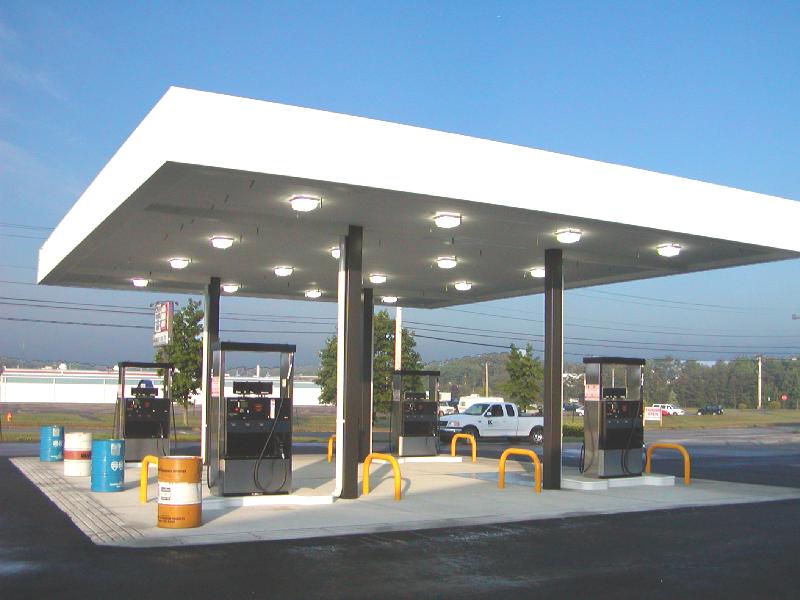
When selecting an architectural canopy, one of the most important decisions is choosing the right material. Both steel and aluminum offer unique advantages in strength, durability, and design flexibility, but each performs differently depending on the application, environment, and long-term maintenance needs.
Whether you’re designing a steel canopy for a high-traffic security checkpoint or an aluminum canopy for lightweight architectural shading, understanding the pros and cons of each material helps ensure your investment delivers lasting performance and value.
This guide compares steel vs. aluminum canopy structures, including cost, weight, lifespan, and customization options so that you can make the right choice for your facility.
Comparing Steel vs. Aluminum Architectural Canopy Structures
When evaluating steel and aluminum canopies, several key factors influence performance:
|
Category |
Steel Canopy |
Aluminum Canopy |
|
Strength & Load Capacity |
High—ideal for heavy-duty or large-span structures |
Moderate—suitable for lighter architectural applications |
|
Durability |
Excellent resistance to impact, weather, and wear |
Naturally corrosion-resistant but less rigid |
|
Weight |
Heavier, requiring stronger foundations and lifting equipment |
Lightweight and easier to install |
|
Maintenance |
Requires protective coatings and periodic repainting |
Low-maintenance, typically anodized or powder-coated |
|
Customization |
Highly flexible—welded or bolted designs for complex layouts |
Limited compared to welded steel structures |
|
Cost |
Higher material and installation cost |
Lower upfront cost and faster assembly |
|
Longevity |
Extremely long lifespan with proper care |
Long-lasting, though more prone to denting or bending |
Advantages of Steel Canopy Systems
1. Superior Strength and Stability
Steel canopies are engineered for long-term resilience and can handle high wind loads, snow accumulation, and impact. This makes them ideal for:
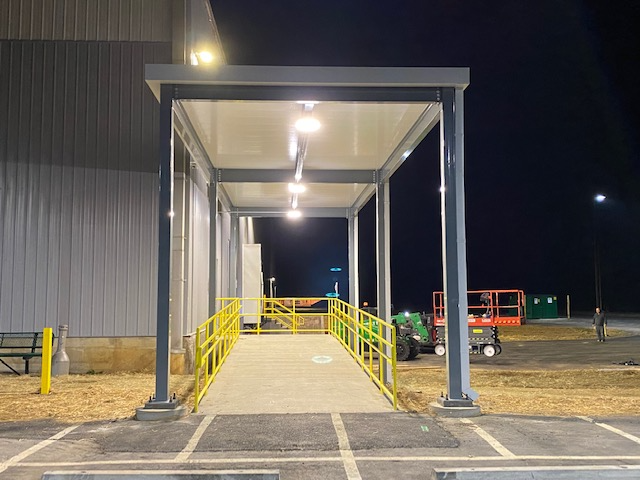
- Entry canopies at manufacturing facilities or government buildings
- Loading docks and warehouse covers
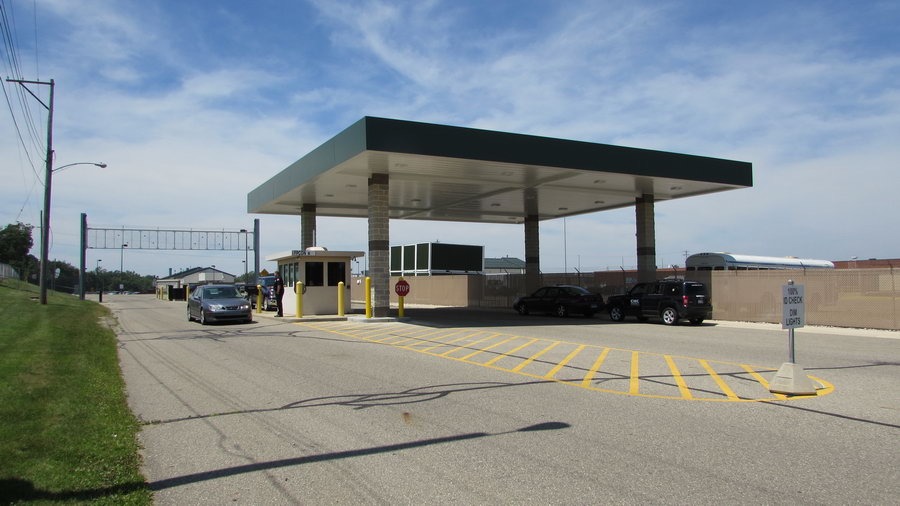
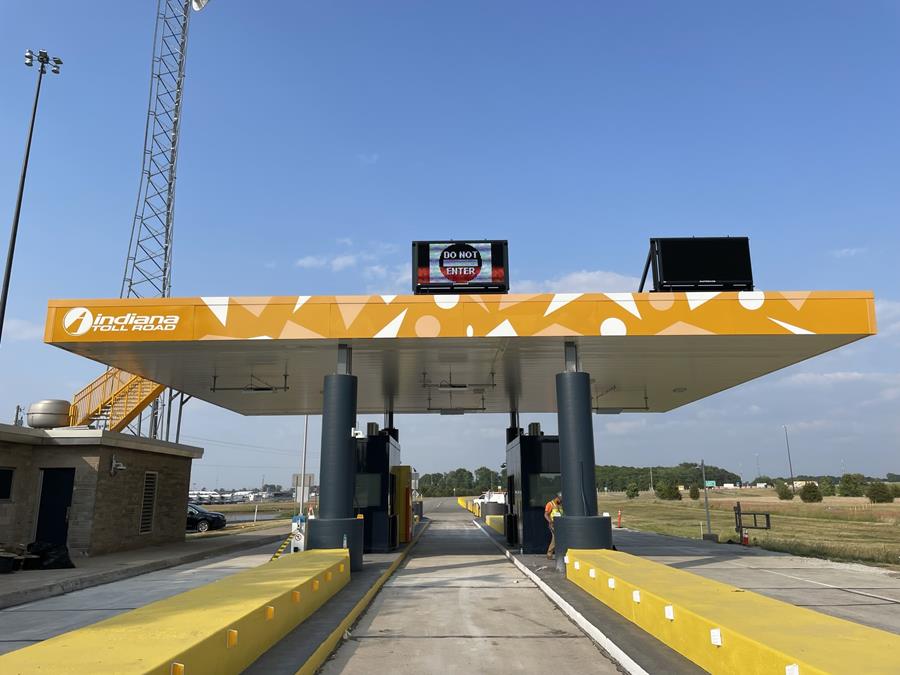
- Security structures and turnstile canopies in access control systems
Unlike aluminum, steel retains its strength across a broader temperature range, making it more reliable for harsh or high-traffic environments.
2. Exceptional Durability and Fire Resistance
Steel is inherently fire-resistant and far less prone to warping, cracking, or deformation. In demanding industrial or public settings, this ensures consistent protection and minimal downtime for repairs.
3. High Customization Potential
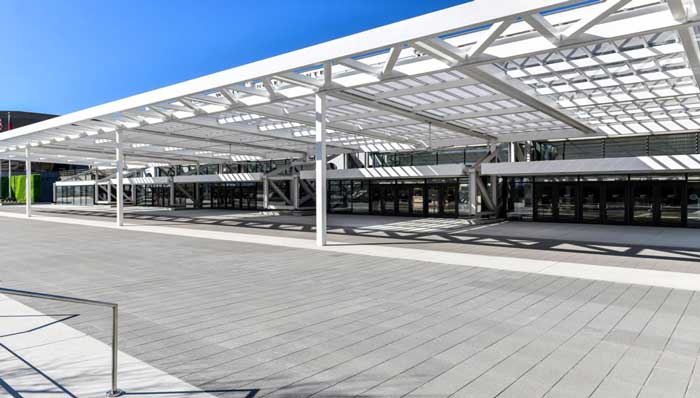
Steel canopy systems offer unmatched flexibility in design and fabrication. Welded and bolt-together modular canopy systems from Panel Built can be tailored to specific architectural or operational requirements, including:
- Custom slopes: single-pitch, gabled, hipped, or flat-roof
- Integrated elements: lighting, drainage, or signage
- Security integration: attach to booths, gates, or guard enclosures
4. Long Lifespan
When properly maintained, steel canopies can last for decades. With regular cleaning and protective coatings, corrosion can be minimized even in coastal or humid climates. The strength of steel also allows it to withstand physical abuse—such as vehicle impact or vandalism—better than lighter materials.
Considerations When Choosing Steel Over Aluminum
While steel offers superior strength and longevity, it also comes with trade-offs that must be factored into the project scope.
Weight and Installation
Steel is roughly three times heavier than aluminum. This weight translates to higher shipping costs and more robust foundations or mounting supports. However, Panel Built’s modular bolt-together system mitigates many of these challenges by allowing fast, efficient on-site assembly with minimal field welding.
Maintenance
Even though steel outperforms aluminum in durability, it requires protective finishes—such as galvanizing, powder coating, or paint—to prevent rust. Over time, periodic refinishing is recommended to maintain the canopy’s appearance and weather resistance.
Advantages of Aluminum Canopy Structures
While this article primarily focuses on steel canopy systems, aluminum remains a strong contender for specific architectural and commercial uses.
Lightweight Construction
Aluminum canopies are easier to transport and install, reducing labor costs and eliminating the need for heavy equipment. This makes them an excellent choice for smaller projects or applications with tight site constraints.
Corrosion Resistance
Unlike steel, aluminum does not rust. Its natural oxide layer and optional anodized or powder-coated finishes offer strong protection against rain, humidity, and UV exposure—especially in coastal or marine environments.
Aesthetic Appeal
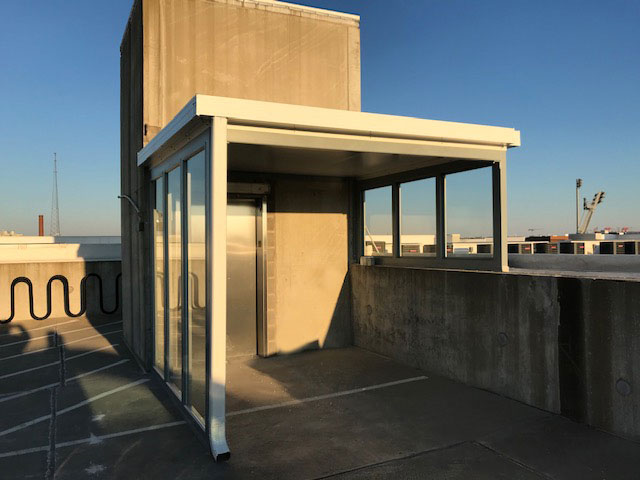
Aluminum’s smooth surface and modern look make it popular for architectural shade structures, walkways, and pergolas where weight and appearance matter more than load-bearing strength.
However, aluminum is softer than steel, meaning it’s more susceptible to dents, deformation, and wear in heavy-use or security applications.
Steel vs. Aluminum Pergolas and Architectural Canopies
When comparing a steel vs. aluminum pergola or canopy, the decision often comes down to environment and use case:
- Choose steel for industrial, transportation, or high-traffic environments where strength and impact resistance are critical.
- Choose aluminum for lightweight, decorative, or weather-protective applications where minimal maintenance is the priority.
Panel Built’s engineers can also combine materials—using steel supports with aluminum or glass roofing—to balance strength, weight, and cost for complex projects.
Cost Comparison: Steel vs. Aluminum Canopy Pricing
The price difference between steel and aluminum architectural canopies depends on project size, finish, and complexity.
- Steel Canopy Costs: Higher upfront, but lower lifetime cost due to durability and strength.
- Aluminum Canopy Costs: Lower initial expense, but may require earlier replacement in demanding environments.
When comparing glass vs. metal canopy systems, metal canopies (especially steel) typically cost less to fabricate and install while offering better durability and structural integrity.
Why Choose a Panel Built Steel Canopy
At Panel Built, Inc., our modular steel canopy systems are designed for both form and function. We manufacture everything in-house—from prefabricated frames to powder-coated finishes—ensuring precision, strength, and long-term performance.
Our Canopy Solutions Include:
- Security and access control canopies with integrated lighting and turnstiles
- Architectural entry canopies for corporate, industrial, and government buildings
- Loading dock covers and equipment shelters designed to withstand heavy-duty use
- Custom-fabricated welded or bolt-together designs for fast installation
Because our systems are modular, they can be prefabricated at our facility and shipped ready for assembly—saving time and minimizing site disruption.
Strength, Style, and Reliability
Both steel and aluminum canopy systems offer unique advantages—but when you need uncompromising strength, design flexibility, and long-term durability, steel canopies deliver unmatched performance.
From industrial loading areas to security entryways and architectural structures, Panel Built’s steel canopy systems combine form, function, and reliability, all backed by our commitment to quality and customer service.
Get Your Custom Canopy Quote
Ready to design a canopy built for strength and style? Contact Panel Built today to discuss your steel canopy project or request a custom quote.
Call 800.636.3873, email info@panelbuilt.com, or chat with our team using the LiveChat feature on our website.