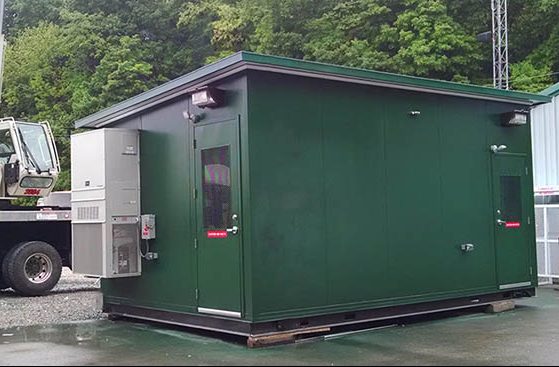
Temperature-Controlled Modular Buildings: How Prefab Structures Maintain the Perfect Climate
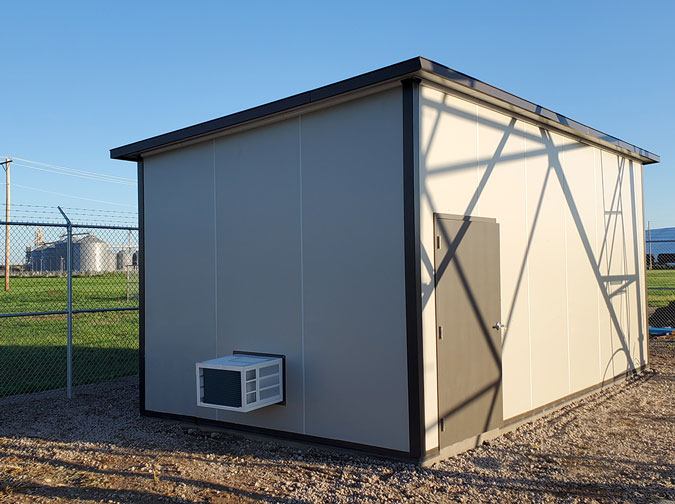
Temperature-Controlled Modular Buildings: How Prefab Structures Maintain the Perfect Climate
When planning any new workspace, one of the first questions to ask is simple but essential: will the environment support the work being done inside? For most industrial and commercial applications, maintaining consistent temperature and air quality is critical—not just for comfort, but for safety, performance, and product quality.
Panel Built’s modular temperature-controlled buildings are engineered to deliver precision climate control in nearly any environment. Whether you need a specialized space for temperature control system applications, a temperature-regulated prefab building, or a fully atmosphere-controlled modular enclosure, Panel Built provides complete, customizable solutions.
Why Temperature Control Matters in Modular Construction
From electronics assembly and food processing to laboratory research and industrial production, controlling temperature and humidity can make the difference between efficiency and downtime.
Temperature-controlled modular buildings help maintain consistent environmental conditions, supporting:
- Sensitive equipment performance and calibration
- Worker comfort and productivity
- Material storage and product integrity
- Compliance with safety and environmental standards
Because modular construction takes place in a controlled factory setting, Panel Built’s prefabricated buildings can be pre-engineered with insulation, HVAC systems, and sealing details that meet your exact temperature control needs, whether you’re maintaining a precise lab-grade environment or simply stabilizing air temperature in a manufacturing office.
How Are Modular Buildings Heated and Cooled?
Every modular structure requires the right building temperature control system to ensure steady performance and energy efficiency. Panel Built integrates a variety of HVAC and heating options depending on the size, layout, and use of the building.
Through-Wall HVAC Units
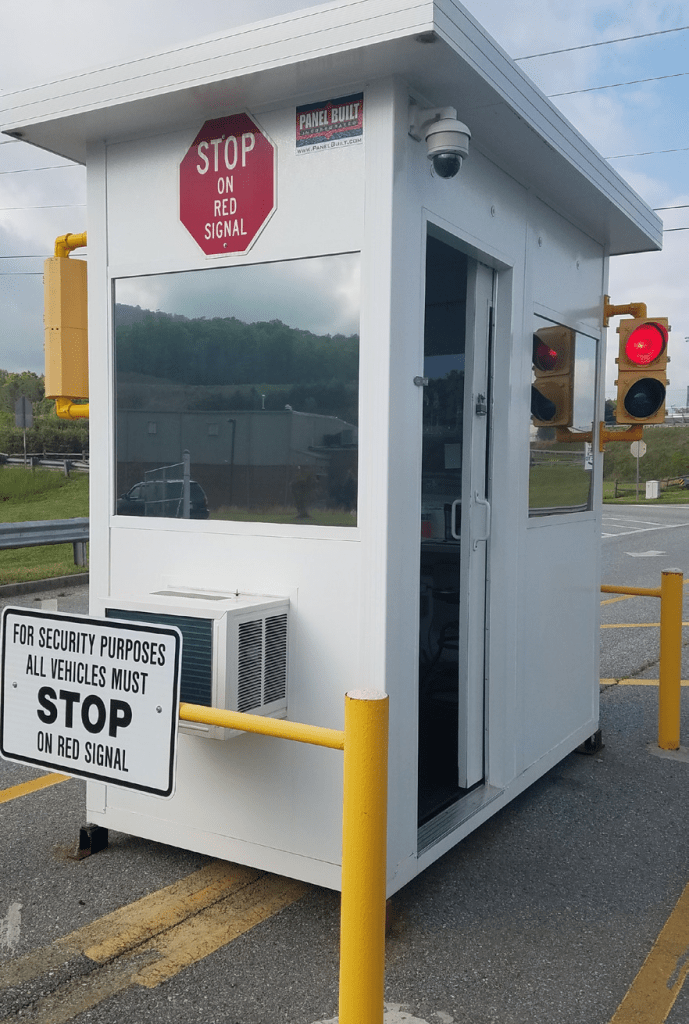
The most common option for small to mid-sized modular offices or guard booths, through-wall units are compact, efficient, and easy to maintain. Installed directly into a wall panel, these self-contained units both heat and cool the interior space.
Key advantages include:
- Easy access for maintenance and repair
- Compact, space-saving design
- Quiet, energy-efficient operation
- Cost-effective installation
Panel Built’s standard through-wall unit provides approximately 9,000 BTU of cooling and 11,500 BTU of heating, offering reliable climate control for most standard modular spaces.
For added efficiency, a heat pump option can be integrated to transfer heat from the outside air, significantly lowering heating costs.
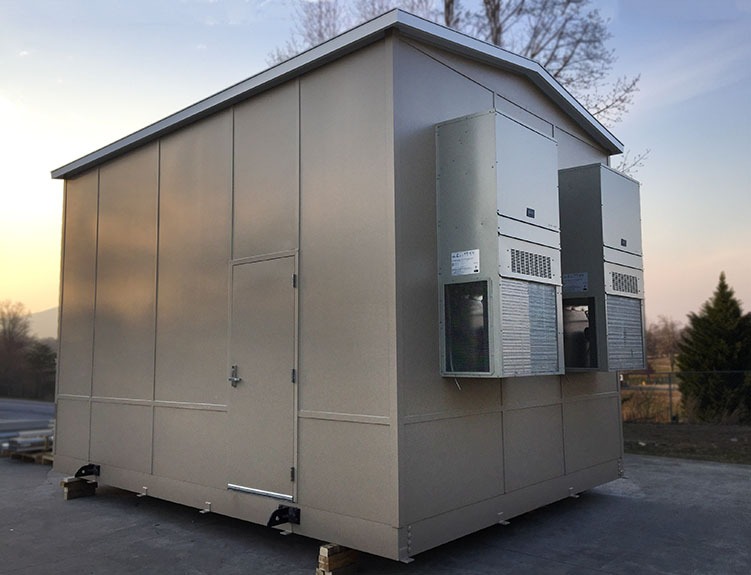
Bard Units for Larger Spaces
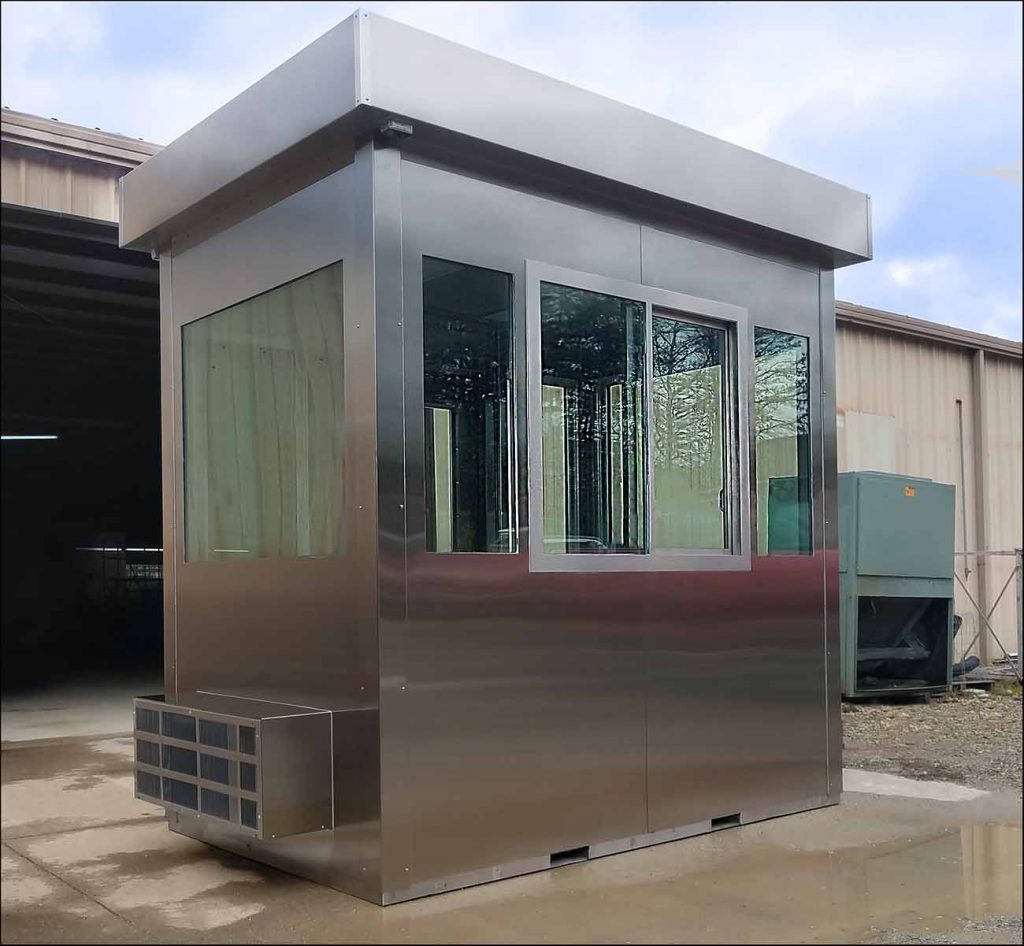
For larger industrial areas or specialized temperature-controlled prefab buildings, Bard wall-mounted units are often the best choice. These systems are designed for reliability and durability in high-demand environments such as schools, telecom centers, and equipment enclosures.
Bard Unit Highlights:
- Handles approximately 400 sq. ft. per ton of capacity
- Quiet, twin-blower design
- Suitable for ducted and non-ducted systems
- Floor- or wall-mounted flexibility
These HVAC modular construction systems are known for their long service life and consistent temperature regulation, even in mission-critical environments.

Baseboard Heaters for Targeted Heating
For smaller or intermittently occupied spaces—like guard booths or entry control stations—electric baseboard heaters provide a reliable, cost-efficient heating option.
Advantages of baseboard heating systems:
- Quiet operation with convection heating
- Ideal for supplemental heat or small spaces
- Simple installation (120V or 208V systems)
- UL-approved and field-rated for safety
Baseboard units are often installed under desks or windows, making them perfect for overnight temperature control when HVAC systems are powered down.
Ductless Mini-Split Systems
When modular buildings contain multiple zones—such as individual offices, breakrooms, or control rooms—ductless mini-split systems provide independent climate control for each area.
Mini-split HVAC benefits:
- Zone-specific heating and cooling
- Energy-efficient inverter technology
- Compact air handlers mounted on walls or ceilings
- Clean aesthetic and quiet performance
Each mini-split system includes a condenser (outside the building) and multiple air handlers inside, connected through sealed refrigerant lines, ideal for temperature-regulated prefab buildings requiring different conditions from room to room.
Modular Temperature Control for Specialized Applications
Panel Built’s atmosphere-controlled prefab buildings are used across industries that demand precision temperature regulation:
- Electronics and clean manufacturing: Prevent static discharge and overheating
- Pharmaceutical production and labs: Maintain sterile, stable environments
- Food processing: Ensure storage and handling meet safety standards
- Data centers and telecom: Control heat output from sensitive equipment
- Industrial workstations: IProvide comfortable, productive environments for staff
Each building can be engineered with custom R-values, vapor barriers, and specialized HVAC configurations to maintain internal temperatures even under extreme outdoor conditions.
Benefits of Modular Climate-Controlled Construction
Beyond flexibility and speed, modular temperature-controlled buildings deliver several key advantages over traditional construction:
- Precision engineering: Factory-built panels ensure airtight seals and consistent insulation.
- Energy efficiency: Optimized HVAC systems reduce long-term operational costs.
- Scalability: Expand or relocate climate-controlled modular units as operations evolve.
- Clean installation: Offsite fabrication minimizes dust and disruption during setup.
- Customization: Choose from a range of finishes, controls, and materials to fit your needs.